![How to Use AI for Productivity [Infographic]](https://cdn.prod.website-files.com/6737568a4ac417efeb387e5a/69a5b7d8c5d1f2462911e08e_Teamwork%20Illustration%20(1).avif)



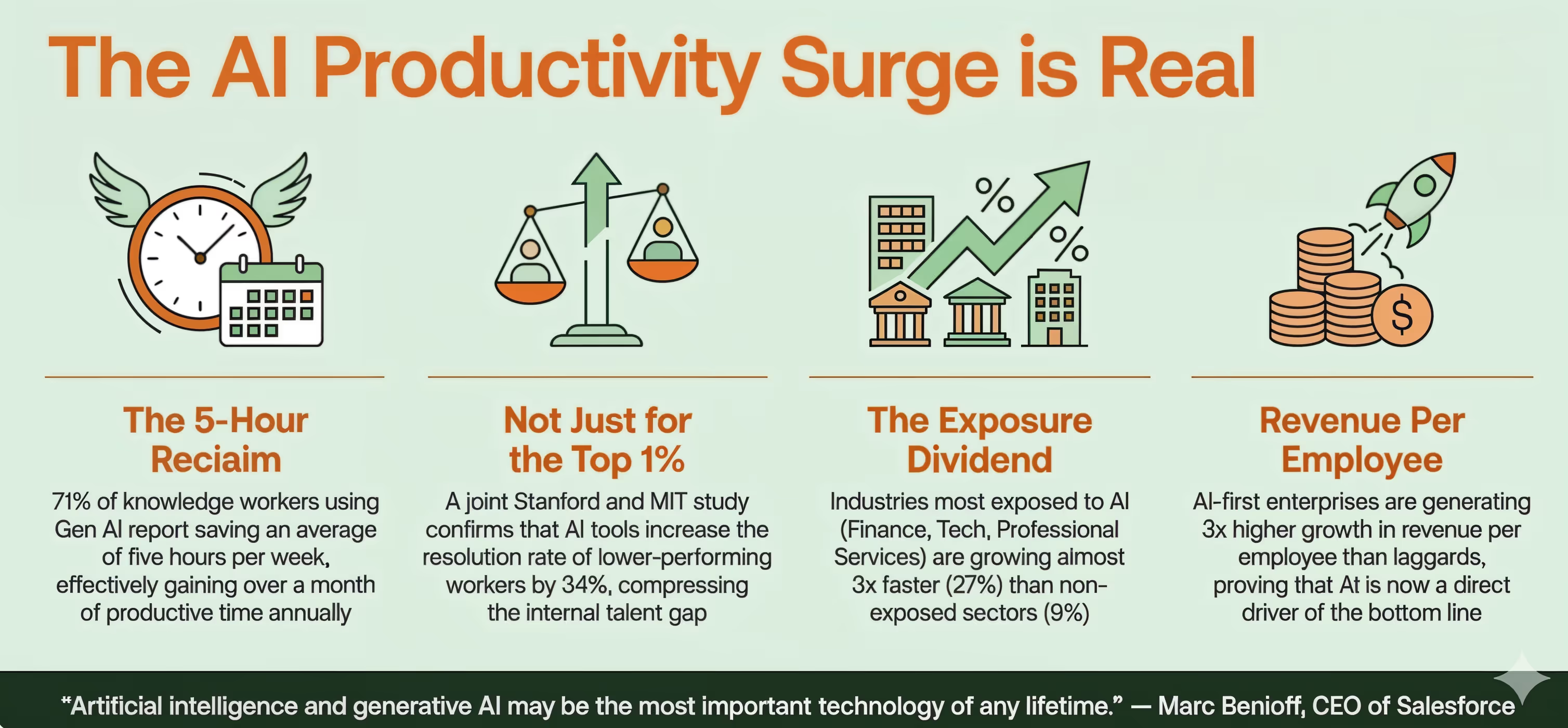
The AI Productivity Surge is Real
- The 5-Hour Reclaim: 71% of knowledge workers using Gen AI report saving an average of five hours per week, effectively gaining over a month of productive time annually.
- Not Just for the Top 1%: A joint Stanford and MIT study confirms that AI tools increase the resolution rate of lower-performing workers by 34%, compressing the internal talent gap.
- The Exposure Dividend: Industries most exposed to AI (Finance, Tech, Professional Services) are growing almost 4x faster (27%) than non-exposed sectors (9%).
- Revenue Per Employee: AI-first enterprises are generating 3x higher growth in revenue per employee than laggards, proving that AI is now a direct driver of the bottom line.
Artificial intelligence and generative AI may be the most important technology of any lifetime." — Marc Benioff, CEO of Salesforce
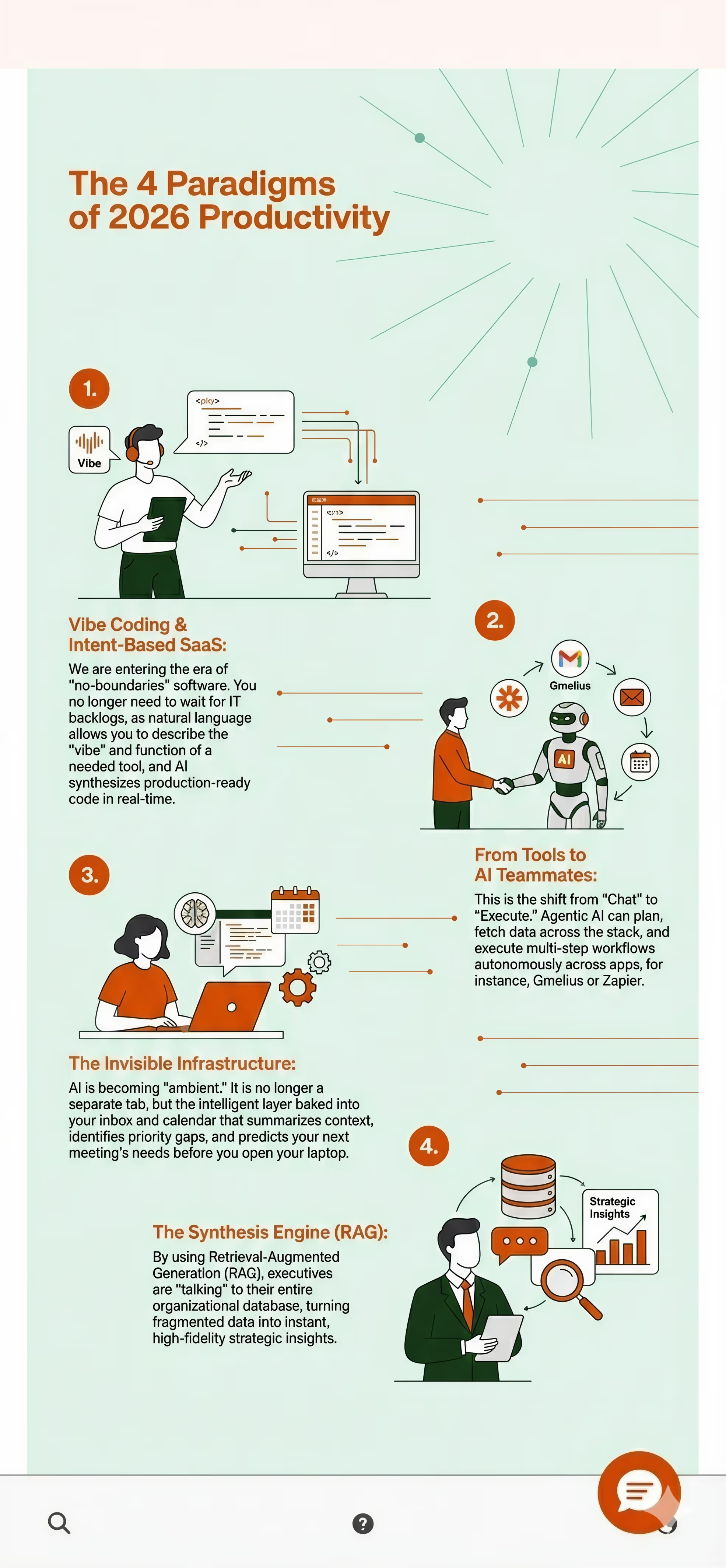
The 4 Paradigms of 2026 Productivity
- Vibe Coding & Intent-Based SaaS: We are entering the era of "no-boundaries" software. You no longer need to wait for IT backlogs, as natural language allows you to describe the "vibe" and function of a needed tool, and AI synthesizes production-ready code in real-time.
- From Tools to AI Teammates: This is the shift from "Chat" to "Execute." Agentic AI can plan, fetch data across the stack, and execute multi-step workflows autonomously across apps, for instance, Gmelius or Zapier.
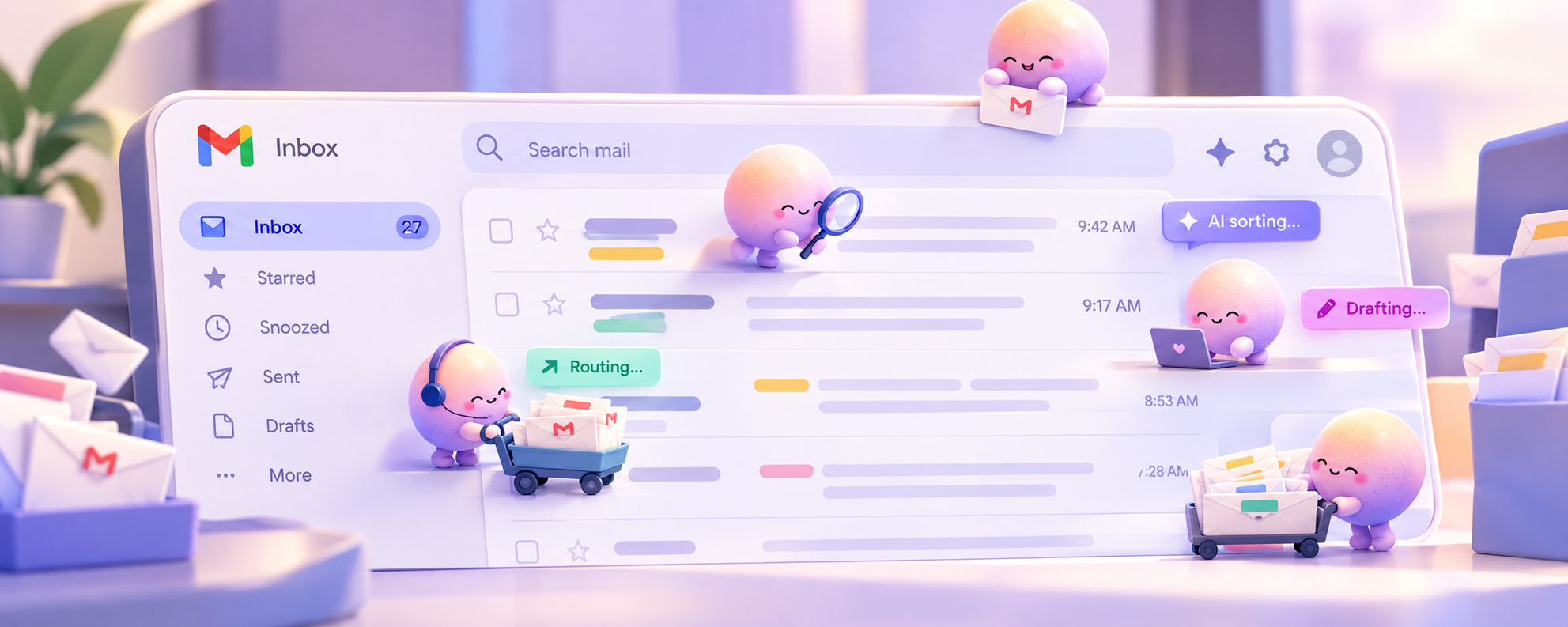
- The Invisible Infrastructure: AI is becoming "ambient." It is no longer a separate tab, but the intelligent layer baked into your inbox and calendar that summarizes context, identifies priority gaps, and predicts your next meeting's needs before you open your laptop.
- The Synthesis Engine (RAG): By using Retrieval-Augmented Generation (RAG), executives are "talking" to their entire organizational database, turning fragmented data into instant, high-fidelity strategic insights.
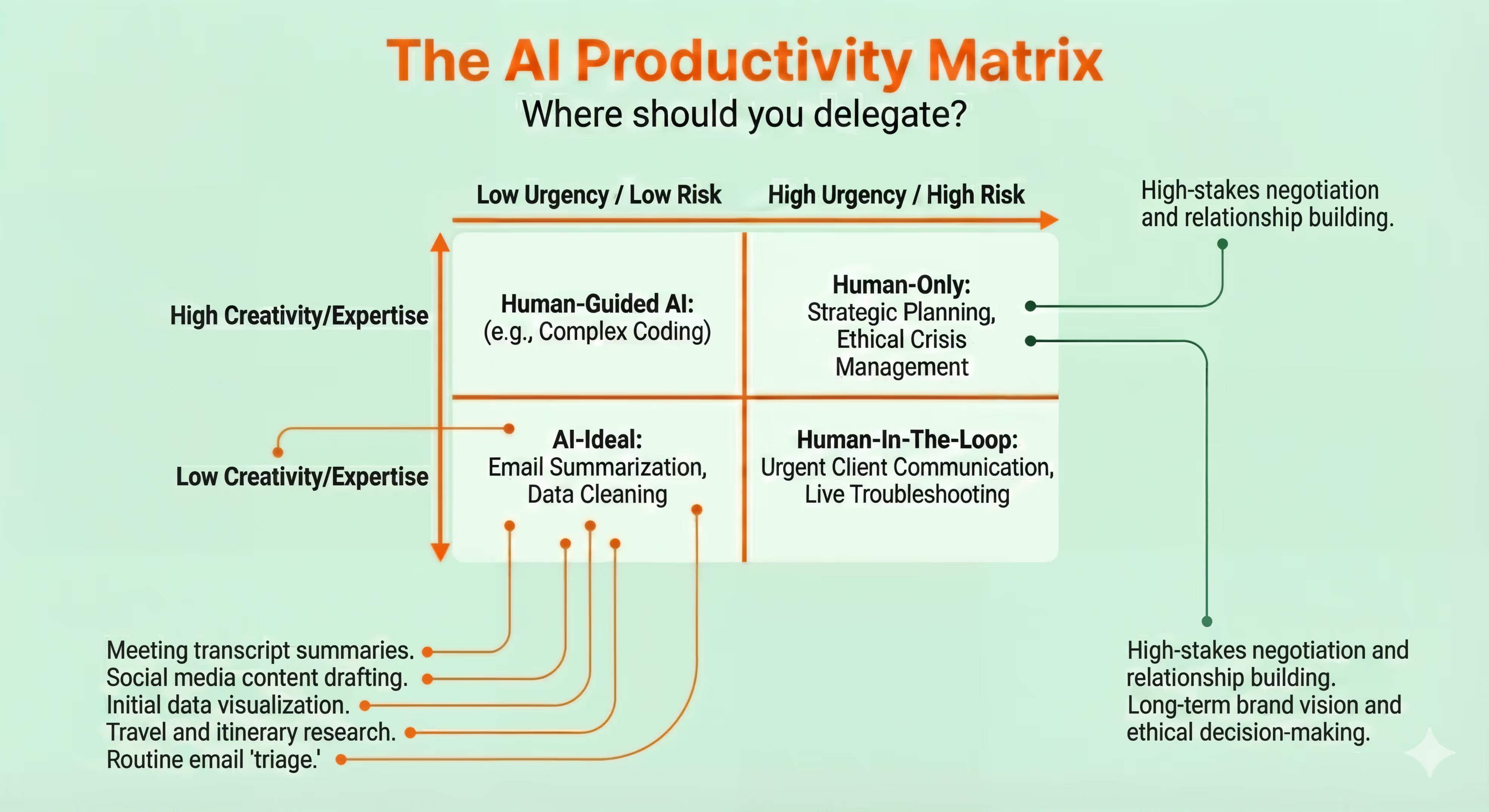
The AI Productivity Matrix
Where should you delegate?
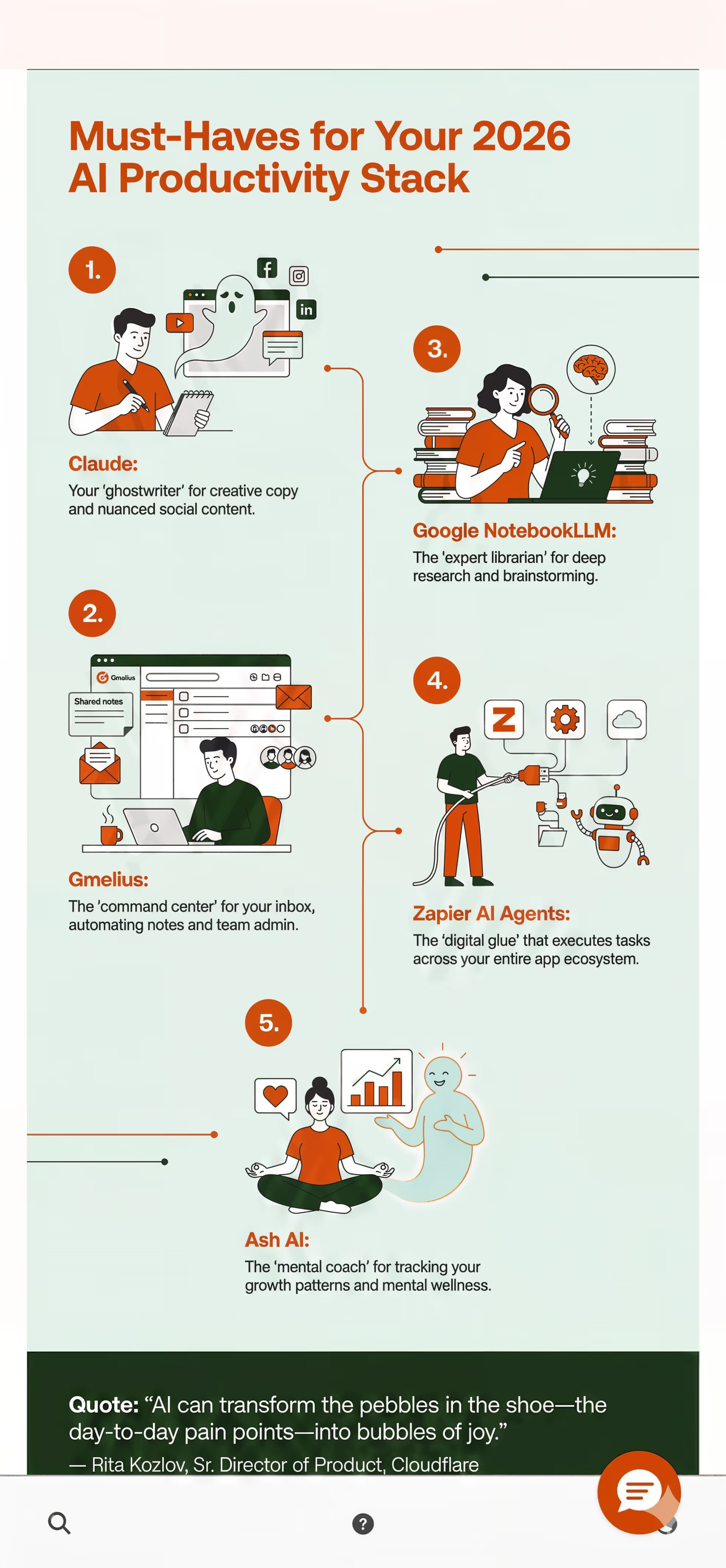
Your 2026 AI Productivity Stack
5 tools to use to increase your productivity gains from AI
- Claude: Your "ghostwriter" for creative copy and nuanced social content.
- Gmelius: The "command center" for your inbox, automating notes and team admin.
- Google NotebookLLM: The "expert librarian" for deep research and brainstorming.
- Zapier AI Agents: The "digital glue" that executes tasks across your entire app ecosystem.
- Ash AI: The "mental coach" for tracking your growth patterns and mental wellness.
"AI can transform the pebbles in the shoe—the day-to-day pain points—into bubbles of joy." — Rita Kozlov, Sr. Director of Product, Cloudflare
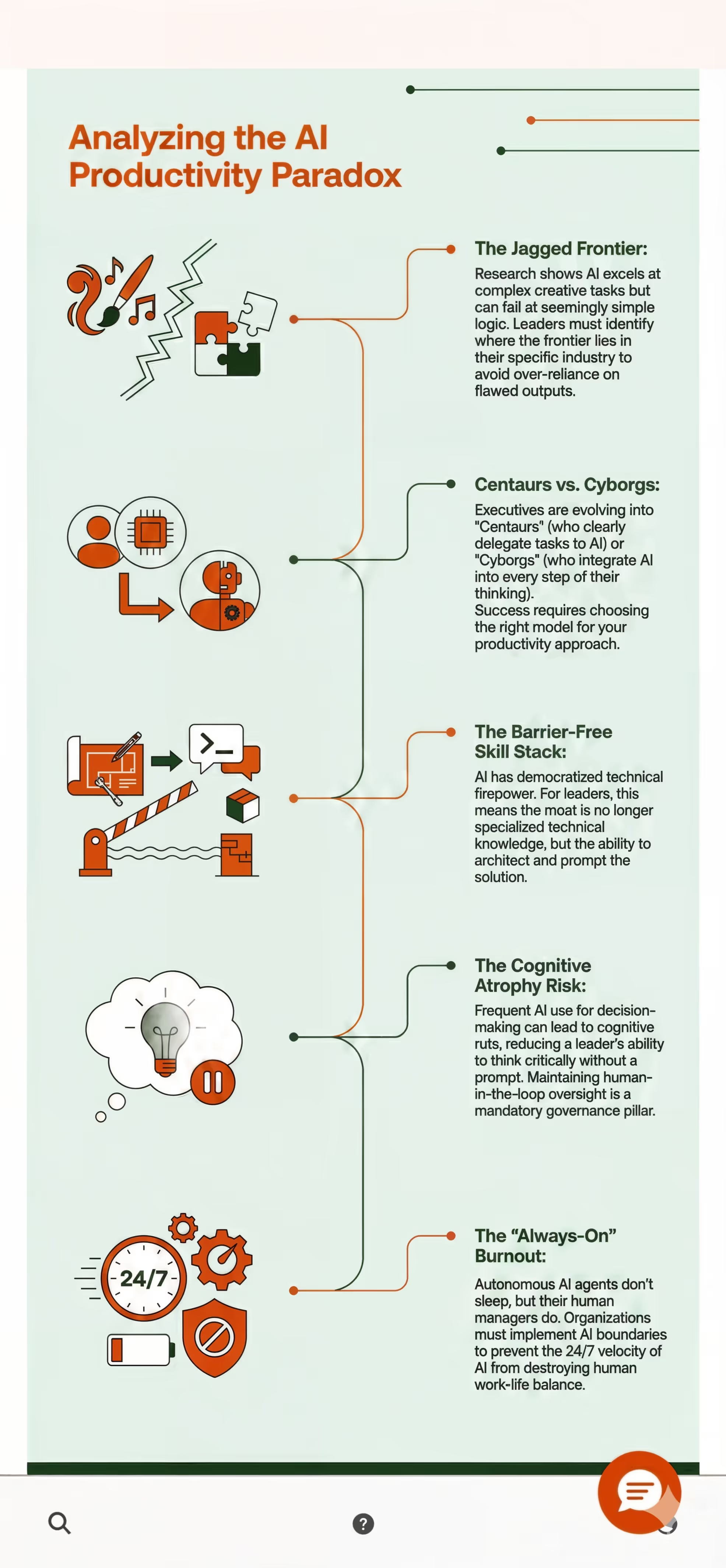
Analyzing the AI Productivity Paradox
The considerations when using AI for productivity
- The Jagged Frontier: Research shows AI excels at complex creative tasks but can fail at seemingly simple logic. Leaders must identify where the "frontier" lies in their specific industry to avoid over-reliance on flawed outputs.
- Centaurs vs. Cyborgs: Executives are evolving into "Centaurs" (who clearly delegate tasks to AI) or "Cyborgs" (who integrate AI into every step of their thinking). Success requires choosing the right model for your productivity approach.
- The Barrier-Free Skill Stack: AI has democratized "technical Firepower." For leaders, this means the "moat" is no longer specialized technical knowledge, but the ability to architect and prompt the solution.
- The Cognitive Atrophy Risk: Frequent AI use for decision-making can lead to "cognitive ruts," reducing a leader’s ability to think critically without a prompt. Maintaining "human-in-the-loop" oversight is a mandatory governance pillar.
- The "Always-On" Burnout: Autonomous AI agents don't sleep, but their human managers do. Organizations must implement "AI boundaries" to prevent the 24/7 velocity of AI from destroying human work-life balance.
How Gmelius Improves Productivity
Using AI inside your inbox to save time, work less, and get more done
- Tame the Inbox: Transition from 1,000+ unread emails to a persistent "Inbox Zero" state.
"Investing in AI is no longer optional... it is arguably impossible to manage experiences with sheer manual human horsepower." — Brad Anderson, Tech Executive
While those who ignore Gen AI will inevitably be left behind by the sheer velocity of the market, the ultimate "moat" remains deeply human. AI can simulate logic and generate content, but it cannot reproduce authentic empathy, moral judgment, or the "leap of faith" required for true visionary thinking.
Your productivity in the AI age isn't measured by your output, but by your ability to guide that output with human wisdom.


![The Inbox is Dead: Why Agentic Email is the Future of Business Operations [Report]](https://cdn.prod.website-files.com/6737568a4ac417efeb387e5a/6a9af4cfa0722cc7ec2cb09b_6d09ad75-441e-4279-93ad-0b094bc82b2a.png)
.png)